Category: United States
The Fed Hikes Rate: Four Takeaways For Middle East Borrowers
The Fed raised rates by 25bps on 16 September to 3.75–4.00%, its first increase since 2023, and more are likely. The vote was unanimous, and the median projection points to one more hike this year. In a break from precedent, the Fed is hiking in response to energy-driven inflation it would normally look through, a sign that officials now worry prolonged high energy prices will feed into broader inflation…

The Iran War Is No Vietnam. But It May Become An Economic Quagmire For The Gulf.
The Vietnam comparisons to the Iran war miss the real parallel. It isn’t political. It’s economic, and it lands on the Gulf with five costs compounding across the region: energy, reconstruction, tourism, capital, uncertainty…
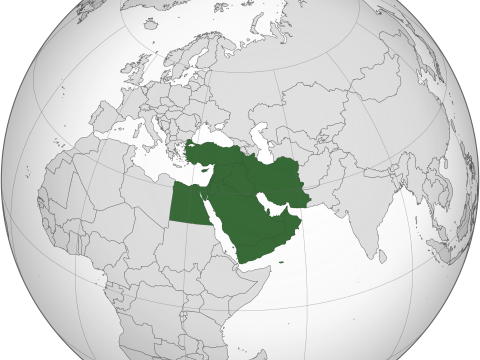
Five Conditions For Private Credit To Regain Momentum In The Gulf
Private credit was one of the fastest-growing sources of non-bank financing in the Middle East through 2024 and 2025, with the regional market growing at an estimated 15-30% annually. That trajectory paused following the regional conflict that began in early 2026.
While underlying corporate fundamentals have remained resilient, institutional risk perceptions have changed. The subsequent ceasefire initially offered a potential turning point, but renewed strikes and continued uncertainty have kept investors cautious.
Private credit underwrites a three- to five-year forward view. A durable recovery therefore requires more than an announced cessation of hostilities…

Asia’s Fuel Lifeline Is Fraying — And The Warning Signs Are Already Here
Asia’s growth model rests on a fragile assumption: that energy will remain available, affordable and uninterrupted. That assumption is now being tested by the conflict in Iran…

Trump’s Iran Ultimatum Raises Questions He Can’t Answer
Donald Trump’s ultimatum to Iran reflects an aggressive but unclear strategy, with shifting demands around nuclear concessions and military pressure that lack a coherent endgame…

Syria Is Not Libya, But It Could Become One If The World Looks Away
While Syria’s conflict differs from Libya’s in origins and structure, it faces similar risks of fragmentation, weak governance, and competing armed factions if international engagement fades…

After Maduro’s Ouster, Tough New Truths About US Foreign Policy
President Trump’s decisive action in Venezuela signals the consolidation of a foreign-policy doctrine that is blunt, transactional and unapologetic about the use of force — with five hard truths for the U.S. and the world…
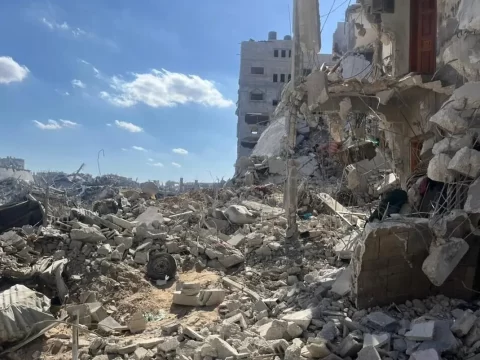
Smarter Finance Needed To Rebuild Post-Conflict Middle East
Traditional model — grand pledging conferences followed by sluggish bilateral transfers — is obsolete and must be left behind…
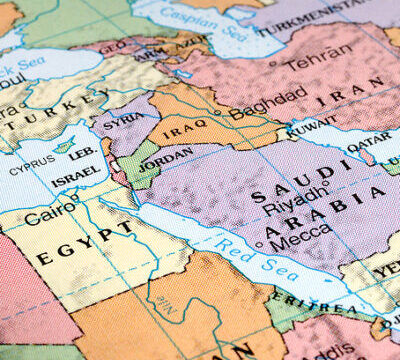
Middle East Debt Deals Hang in Limbo as Washington Sets the Clock
Gulf stock markets rallied in September, following the Federal Reserve’s rate cut and renewed optimism that further rate cuts were to come. Behind the cheer lies a more complicated reality: debt issuance across the Middle East — sovereign, corporate and family-owned — is being delayed, restructured or burdened by high U.S.-imported borrowing costs…