…From Sri Lanka to Thailand, early strains are emerging as disruption around the Strait of Hormuz tests the limits of the region’s energy dependence…
Asia’s growth model rests on a fragile assumption: that energy will remain available, affordable and uninterrupted.
That assumption is now being tested.
Tensions around the Strait of Hormuz — through which roughly a fifth of global oil supply passes — are no longer just a geopolitical concern. They are fast becoming an economic one. For Asia, which depends heavily on imported hydrocarbons, even partial disruption carries outsized consequences. It is not only the risk of closure that matters, but the cumulative effect of higher insurance costs, shipping delays and supply uncertainty that begins to act as a constraint on access itself.
The market response so far has been measured. That should not be mistaken for resilience.
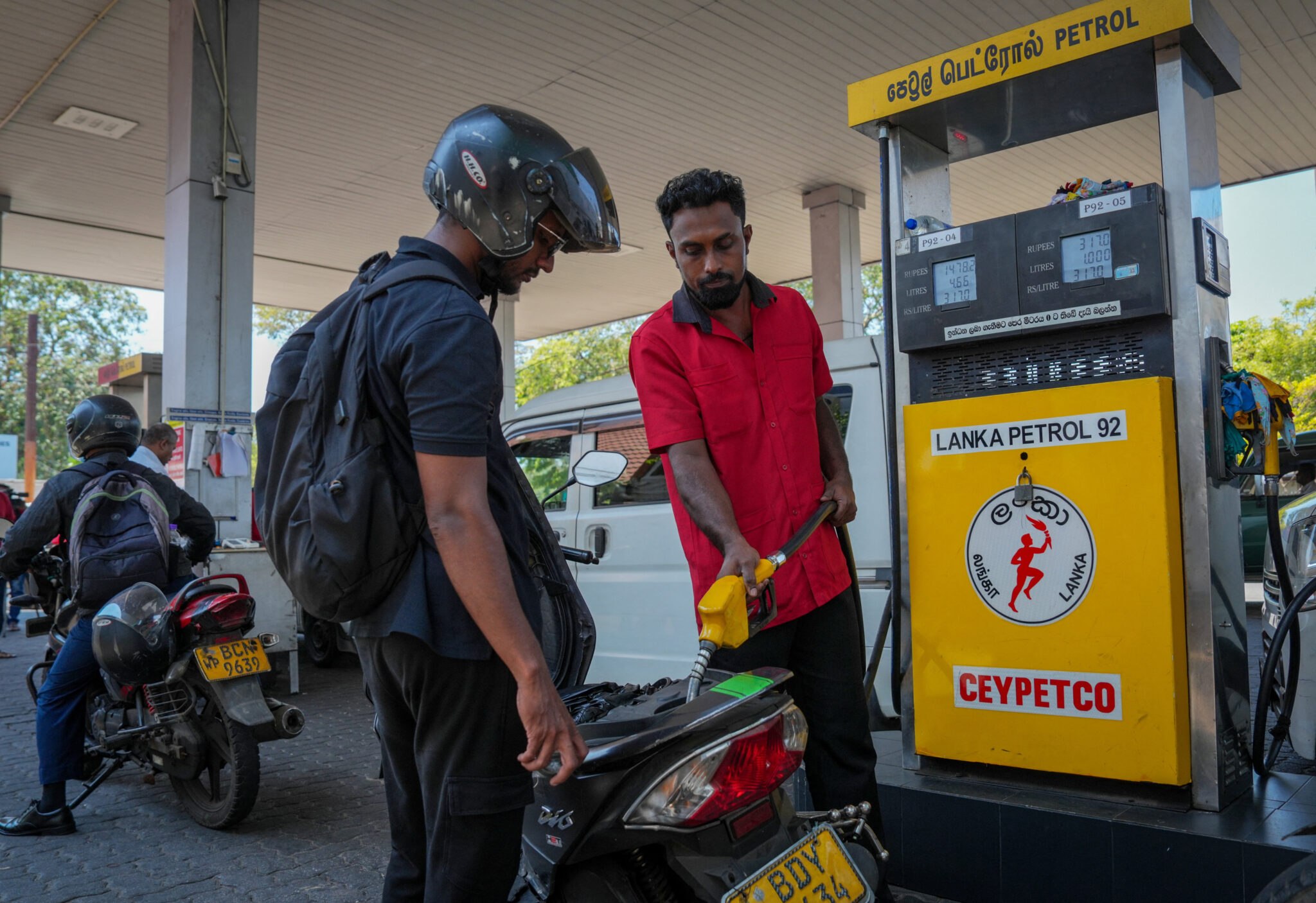
Early signs of strain are already emerging across parts of the region. In Sri Lanka, fuel access is tightening again, with administrative controls quietly reappearing to manage demand. Thailand faces a different transmission channel — not immediate shortages, but rising import costs feeding into inflation, currency pressure and a tourism sector sensitive to external shocks. Further afield, economies such as Bangladesh and Pakistan remain acutely exposed through limited foreign exchange reserves and heavy reliance on imported fuel for power generation.
These are not isolated cases. They are variations of the same structural vulnerability.
Asia sources roughly 60 percent of its crude oil from the Middle East, with a significant majority of those flows transiting the Strait of Hormuz — a concentration that leaves the region structurally exposed to even partial disruption.
Asia runs on imported energy. And much of that energy runs through a single chokepoint.
For Gulf producers, Hormuz is an export artery. For Asian economies, it is a critical dependency embedded deep within their balance of payments. The result is a region where energy shocks do not remain confined to commodity markets — they transmit rapidly into currencies, fiscal balances and, ultimately, political stability.
The key question is not whether Asia can absorb a short-term shock. It can.
The question is duration.
More concerning are the undertones of escalation. Commentary from senior officials has begun to reference a conflict measured in weeks, with scenarios that extend beyond maritime disruption alone.
A disruption measured in weeks is a price story. A disruption measured in months becomes a balance-of-payments story. Beyond that, it becomes a political story.
There are three indicators worth watching closely.
First, shipping and insurance dynamics in the Gulf. Even without a formal closure, rising war-risk premiums can materially increase the delivered cost of fuel. For lower-income importers, this acts as a silent constraint — cargoes become unaffordable before they become unavailable.
Second, foreign exchange resilience. While several Asian economies have rebuilt reserves since recent crises, few have the depth to sustain prolonged elevated energy prices without trade-offs. Currency depreciation, tighter liquidity and increased reliance on external financing are likely to follow.
Third, policy response. Governments will initially attempt to shield consumers through subsidies and administrative controls. But fiscal space is limited. As pressures build, rationing — whether explicit or implicit — will re-emerge as a tool of last resort.
There is a broader strategic implication.
For years, the global energy narrative has focused on transition — on renewables, electrification and decarbonisation. Those trends remain intact. But the events unfolding around Hormuz are a reminder that energy security has not been solved; it has simply been repriced.
Asia’s continued growth depends on a system that remains exposed to a narrow set of geographic and geopolitical risks. Until that changes, disruptions in places like Hormuz will continue to reverberate far beyond the Gulf.
The warning signs are already visible.
The risk is not that Asia runs out of fuel.
It is that, for parts of the region, fuel once again becomes unaffordable — and with it, growth itself.